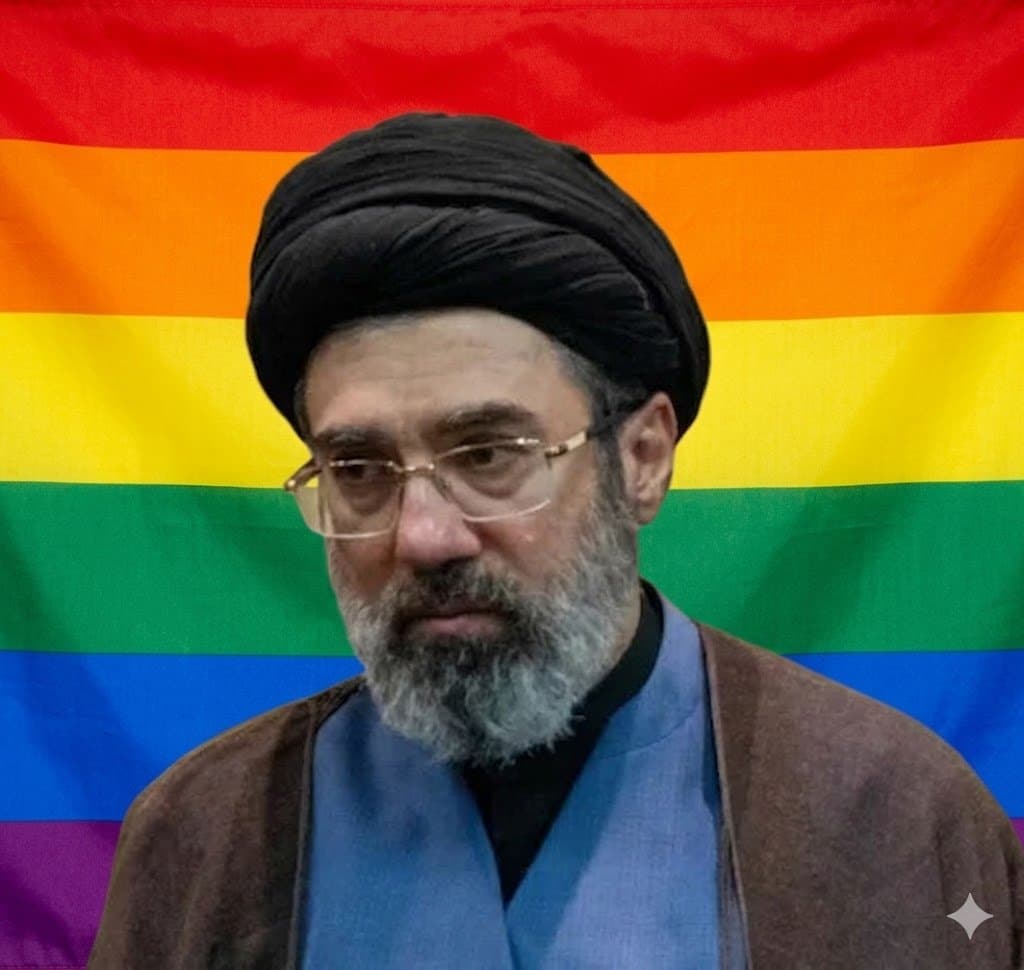
Iran's Sharia-based legal code, which criminalizes same-sex relations with severe penalties including death for men, forms the bedrock of trader consensus at 96% against legalization of gay marriage, reinforced by Supreme Leader Ayatollah Khamenei's doctrinal oversight and cultural conservatism pervasive across government institutions. Recent July 2024 presidential election of reformist Masoud Pezeshkian has sparked minor speculation on social easing, but parliament—dominated by hardliners—shows no bills or debates advancing LGBTQ rights, with historical precedents like failed 2020s reform efforts underscoring stasis. Confidence stems from the theocracy's resilience amid protests and sanctions. Realistic shifts would require regime collapse or revolutionary secularization, both low-probability amid current stability.
Experimental AI-generated summary referencing Polymarket data · Updated$21,242 Vol.
$21,242 Vol.
$21,242 Vol.
$21,242 Vol.
Legal recognition refers to any law, constitutional amendment, or binding judicial decision that allows two adults of the same sex to marry with the same legal status as opposite-sex marriages under Iranian law.
Recognition must apply within Iran’s legal system and permit same-sex couples to enter a legally valid marriage recognized by Iranian civil or religious authorities. The recognition must be in force by the listed deadline.
The legalization of civil unions, domestic partnerships, or other forms of limited recognition that do not grant the legal status of marriage will not qualify.
Recognition of marriages performed abroad without permitting such marriages to be performed within Iran will not qualify.
The primary resolution source will be a consensus of credible reporting.
Market Opened: Mar 17, 2026, 8:48 PM ET
Resolver
0x65070BE91...Legal recognition refers to any law, constitutional amendment, or binding judicial decision that allows two adults of the same sex to marry with the same legal status as opposite-sex marriages under Iranian law.
Recognition must apply within Iran’s legal system and permit same-sex couples to enter a legally valid marriage recognized by Iranian civil or religious authorities. The recognition must be in force by the listed deadline.
The legalization of civil unions, domestic partnerships, or other forms of limited recognition that do not grant the legal status of marriage will not qualify.
Recognition of marriages performed abroad without permitting such marriages to be performed within Iran will not qualify.
The primary resolution source will be a consensus of credible reporting.
Resolver
0x65070BE91...Iran's Sharia-based legal code, which criminalizes same-sex relations with severe penalties including death for men, forms the bedrock of trader consensus at 96% against legalization of gay marriage, reinforced by Supreme Leader Ayatollah Khamenei's doctrinal oversight and cultural conservatism pervasive across government institutions. Recent July 2024 presidential election of reformist Masoud Pezeshkian has sparked minor speculation on social easing, but parliament—dominated by hardliners—shows no bills or debates advancing LGBTQ rights, with historical precedents like failed 2020s reform efforts underscoring stasis. Confidence stems from the theocracy's resilience amid protests and sanctions. Realistic shifts would require regime collapse or revolutionary secularization, both low-probability amid current stability.
Experimental AI-generated summary referencing Polymarket data · Updated
Beware of external links.
Beware of external links.
Frequently Asked Questions